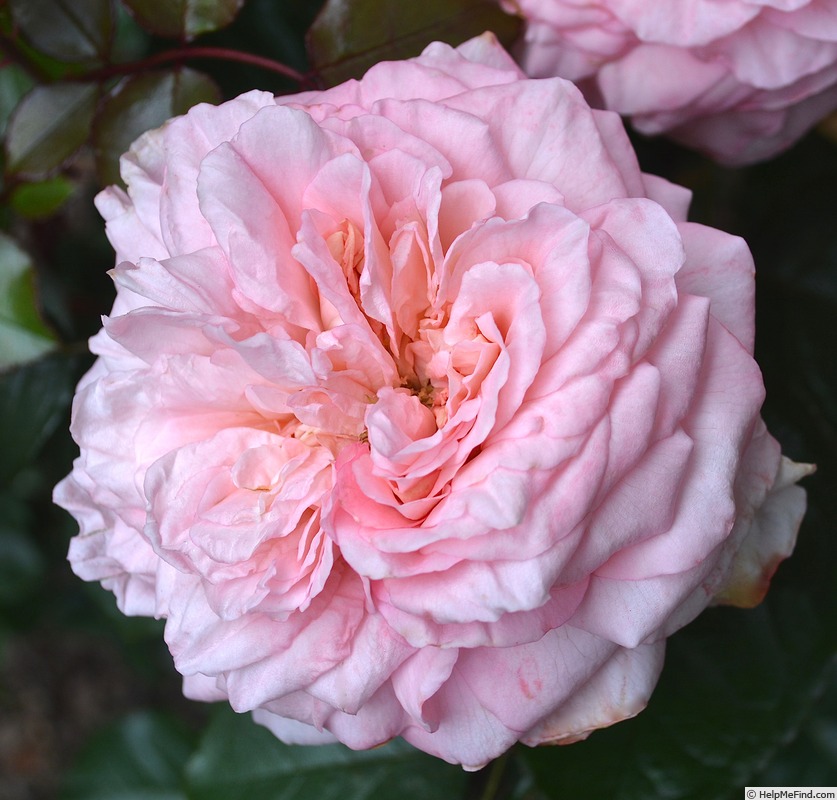
Rose care, organically
How to care, organically
-
SITE SELECTION
Roses need a minimum of 6 hours of direct sunlight every day.
They appreciate morning sun more than afternoon sun. In a hot climate zone like Florida, many roses will thrive with 4 hours of morning sun and some afternoon shade.
Some roses may tolerate some shade provided by deciduous trees, but they will bloom less often. Roses thrive in sun and suffer in shade.
-
SOIL PREPARATION, PLANTING, & MULCHING
Roses need good air circulation to help ward off disease.
Avoid planting them too close together. It is good to know the size of the mature rose in order to get the correct spacing between plants.
It is most important to plant your roses in rich, well-prepared soil.
- It is a good idea to get your soil tested before planting in order to know the starting pH. Roses prefer a pH of 6.0 – 6.5 ideally. Good drainage is also very important.
- Dig a hole 2 feet deep by 3 feet wide.
- Fill the hole with part of a mixture of compost, manure, and other organic materials.
- Mix this with the soil in the bottom of the hole.
For budded roses I recommend planting the bud union below the soil (3 inches for warm climates and 6 inches below for cold climates). For own root roses, plant the rose at a depth that will insure a strong bush, usually at the same level as the soil was in the container. - Fill the hole with the rest of the mixture around the root ball of the rose. Be sure and press the soil firmly around the root ball to keep out air holes.
- Top dress with leftover compost and cover with mulch. Several inches of mulch applied 2 to 3 times a year will mean fewer weeds, less water stress, richer soil and healthier plants. Pine needles, leaf mulch, decomposed tree bark and rotted horse manure are a few good examples. Place mulch from the base of the rose to a few inches beyond the drip line.
- Vinegar in water lowers ph. Also can use sulphur, and peat. Dolomite lime will raise ph.

-
WATERING
Water new roses as soon as they are planted.
Water deeply once a day for the first few months if possible (especially in summer or if you live in a hot climate). Once the rose is established, give the rose a deep watering 2 -3 times a week depending on the season and your climate. Deep watering other than frequent watering encourages deep root systems helping the rose survive times of drought. If possible it is better to water at ground level so the leaves do not get wet. If you must use overhead watering, do so in the early morning so the sun can dry the leaves.
Roses are 86% water (we’re about 75%!) and they drink their food, so water really does equal blooms. Most people do not water enough, and that’s usually what ends up killing a rose — underwatering is a far more common problem than overwatering.

Compost, Compost Tea and Composted Manures are the best sources of Organic nutrients.
-
FERTILIZE IT!
Roses are heavy feeders and thrive on light, regular feedings.
At planting time, a slow release fertilizer high in nitrogen (milorganite) is recommended.
After new growth appears on the roses, a liquid fertilizer (Fish Emulsion combined with Liquid Seaweed) can be used every 2 to 3 weeks.
The best formula is approximately 2 – 3 ounces of each per gallon.
Do not fertilize heat-stressed plants.
Avoid feeding during winter months.
It is best to fertilize just before a heavy bloom cycle (early spring and early fall).
I recommend only organic fertilizers which feed the living soil micro-organisms which in turn feed the plant when needed.
Any number over 10 kills the micro-organisms and good bacteria in the soil.
Trace elements (found in Liquid Seaweed) are also important which are not found in your basic NPK fertilizers.
The most available Organic product on the market and the easiest to get is a product called Rose-tone™ Organic Rose Fertilizer made by Espoma™. This product is carried by both Lowes™ and Home Depot™ and most garden centers. One to two cups per rose bush depending on size and watered in well is advised.

Roses like to eat a little bit, often.
The easiest program of Organic feeding is to alternate granular and liquid feedings every 3 – 4 weeks during the growing season depending on your soil fertility.
A sprinkle of Epsom salts every 4–6 weeks is a nice addition too — most people don’t feed their roses often enough, and regular light feeding keeps their immunity up and keeps them blooming.
Below is a list of individual soil amendments, kitchen scraps and the nutrients they provide.
- Compost
- Manuer
- Fish Emulsion
- Bone Meal
- Rock Phosphate
- Milorganite
- Alfalfa
- Kelp Meal
You can combine these yourself if you have a lot of roses to make a well-balanced fertilizer or use them individually to correct deficiencies you may have in your soil in your particular neck of the woods. Most are found at your local feed store.
-
NATURAL FUNGICIDES & INSECTICIDES
First comes the prey,
then comes the predator…Dish soap and water goes a long way to discourage insects or you can add a little All Seasons Oil to the mixture as well.
Cayenne pepper spray works good for stink bugs, caterpillars grasshoppers and other insects that tend to eat blooms.
A strong stream of water can wash off aphids or spider mites.
Nothing beats daily observation and hand-picking early infestations.
Remember, 95% of all insects — seen and unseen — are the good guys. Nature puts out the pests (food) first, and the predators follow to eat them. When you spray, even with something natural, you rob the predators of their food and they leave the garden too. Skip the sprays and let the beneficial insects build up as your working army — it means less work for you in the long run.
The best way to keep black spot at bay is to visit your roses daily, or every other day, and groom them: use garden scissors to snip off ugly leaves and pruners for any dieback. Keep a container nearby to collect the clippings and empty it once it’s half full — this clears away fungus spores before they spread, and gives you a chance to notice anything out of place.
Establish a relationship with your roses by visiting daily to see what they need — more or less water, feeding, cleanup — and they’ll reward you with more blooms, bigger blooms, more often. Observation goes a long way toward catching problems early.

Note: Roses all bloom at different times and schedules. Many bloom prolifically during spring and fall with less or no blooms in summer. Like us, they don’t like the high humidity! Be patient, learning to appreciate the changes taking place with each rose. They will become like close friends, sharing their beauty & love!
-
MAKE AMENDMENTS
Here is a list of individual soil amendments, kitchen scraps and the nutrients they provide. You can combine these yourself if you have a lot of roses to make a well- balanced fertilizer or use them individually to correct deficiencies you may have in your soil in your neck of the woods. Most are found at your local feed store. Also listed are some natural fungicides and insecticides.
Egg Shells Calcium Coffee Grounds Lowers ph Banana Peels Potassium Epsom Salts Magnesium and Sulfur Milorganite Nitrogen and Iron Actino-Iron Iron and Beneficial Soil fungi Wood Ash Calcium and Potassium Granite Dust Potassium Greensand Potassium Gypsum Calsium and Sulfur Bone Meal Phosphorus and Calcium Alfalfa Meal growth hormone Molasses Iron Kelp Meal Potassium and Trace Elements Cottonseed meal Nitrogen (lowers ph) Blood meal Nitrogen (may burn roots) Garden Sulfur Sulfur (lowers ph) Sul-po-mag Sulfur, Potassium, Magnesium (may burn) Sequestered or Chelated Iron Iron Rock Phosphate Calcium (raises ph) Baking Soda Black Spot Hydrogen Peroxide Black Spot, Root Rot Neem Oil Black Spot Organicide Black Spot, Thrips Lady Bugs aphids, spider mites Beneficial Mites spider mites Insecticidal Soap spider mites, aphids Dr. Bronner’s Soap all insects, sticker Green Cure Black Spot Listerine root rot, mosquitoes Liquid Seaweed good bacteria Too much Potassium kills good microbes. Any number over 10 kills good bacteria. Roses actually have a natural immunity to fungus. Hand-picking diseased leaves goes a long way. -
HARDINESS ZONE CHART
The USDA plant hardiness zone is one guide to indicate a plant’s ability to withstand an average minimum temperature. However, other factors, including soil type, moisture, drainage, humidity and exposure to sun and wind can have a direct effect on the success of a plant’s survival.
Use this as a guide, keeping the other factors in mind when deciding where and what to plant.
Zones
- Below -50˚f
- -50˚f to -40˚f
- -40˚f to -30˚f
- -30˚f to -20˚f
- -20˚f to -10˚f
- -10˚f to 0˚f
- 0˚f to 10˚f
- 10˚f to 20˚f
- 20˚f to 30˚f
- 30˚f to 40˚f
- Above 40˚f
(not present)